UP to 600 homes in southeast Sydney will be checked for red fire ants as the mission to eradicate the brutal pest continues.
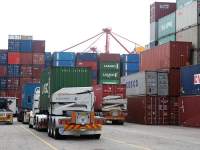
The insect, native to South America, was detected for the first time in NSW at Botany Port in November 2014. It is believed they came to Australia on a shipping container.
 The Department of Primary Industries (DPI) has since launched an eradication program and is now looking further afield to ensure there are no more nests.DPI director of invasive plants and animals Dr Andrew Sanger said all known colonies had been treated. He said there had been no further detections but “precautionary” measures were needed to prevent a spread.
Properties surrounding Port Botany and the suburbs of Phillip Bay, Little Bay, Matraville, Chifley, Malabar, Pagewood and Banksmeadow will be searched. “Residents within the surveillance zone are asked to keep a look out for any small ants (2-6mm) that are reddish-brown in colour with a darker abdomen,” Dr Sanger said.
Red imported fire ants are an extremely aggressive species that attack pets, wildlife, livestock and humans en masse if their nests are disturbed. Their sting contains a venom which causes excruciating pain to the victim. In southwest America the species are thought to have caused over 80 deaths.
Australian Museum acting Entomology collection manager and entomologist Derek Smith told the Southern Courier red fire ants can have a huge impact environmentally and socially. Based on experience in the United States where they are the major problem in southern parts of the country, specifically Texas, Mr Smith said.
“You are looking worst case scenario there, but they didn’t get top of the infestation early enough and there is entire sections of farmland which are now unusable and public parks people can’t use because of the ants.”
While the pests can withstand temperatures -9C, Dr Sanger said winter was an ideal time to search for them as they are more likely to build a nest mound. “The nests may look like disturbed soil or a small mound of soil with no visible entry holes,” he said.
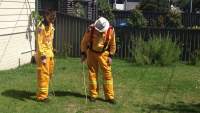 The check of homes was planned for Saturday and Sunday July 18-19, and included front and rear yards - searched by trained inspectors from DPI and Local Land Services, along with volunteers from the Rural Fire Service and NSW State Emergency Service.
“All inspectors will be uniformed and will be carrying detailed information about red imported fire ants with them,” Dr Sanger said.
“There is no requirement for any indoor inspections, however inspectors will require access to backyards to look for red imported fire ants and will be door knocking on Saturday and Sunday during daylight hours.”
Following the residential surveillance over the weekend, an ongoing surveillance campaign of commercial premises and public land will be undertaken over July and August.
It will include random inspections of port facilities, industrial land, roadsides, beaches, playgrounds, golf courses and cemeteries within two kilometres from Sydney’s major port.
Mr Smith warned that Australian pest control agencies needed to be “constantly vigilant” as it would take 10 years of not catching any ants to know they were eradicated.
Edited Article and images from Southern Courier (13 July 2015)
Back to Newsletter